On a humid Tuesday morning in July, Ghana’s Minister for Lands and Natural Resources stood before a room of journalists and delivered a sentence that, just a year ago, seemed impossible:
“The government’s priority is to protect the Achimota Forest.”
With those eleven words, Emmanuel Armah Kofi Buah confirmed what environmentalists, civil society organisations, and ordinary Ghanaians had fought for since 2022: Executive Instrument 144 was dead.
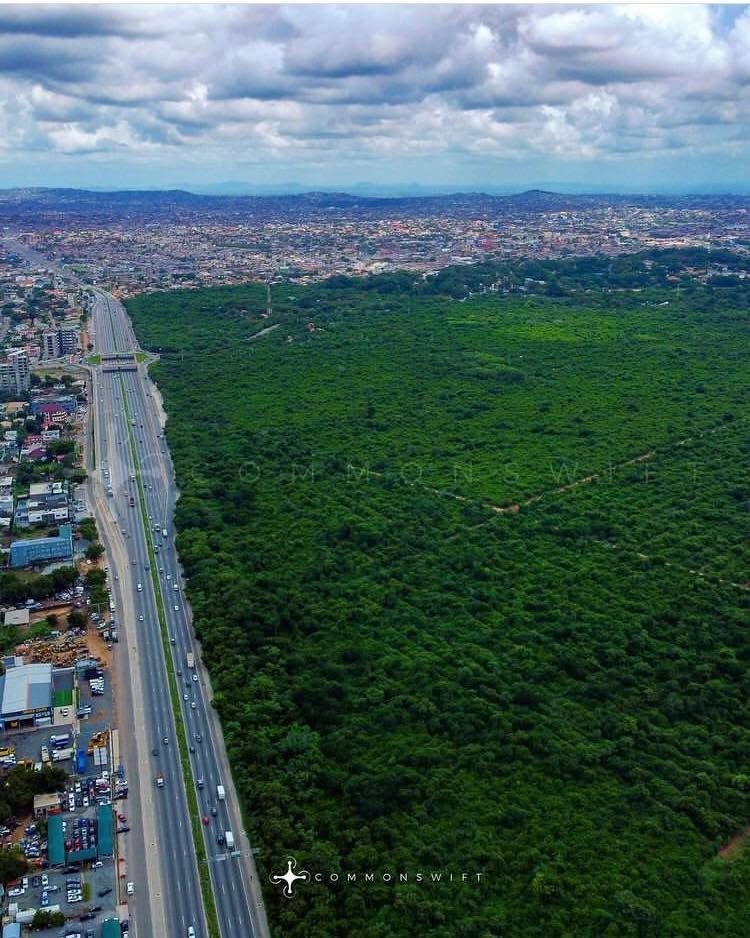
The controversial directive, which had excised approximately 361.5 acres—about 146 hectares—from the Achimota Forest Reserve, was officially revoked. The land that developers had eyed for hotels, residential estates, and commercial complexes would remain exactly what it has always been: a forest.
Policy won. The trees are safe.
But here is the provocative truth that no one is saying loudly enough:
This victory is not the finish line. It is the starting pistol.
Because policy can protect land. But policy cannot protect minds, hearts, or behaviours. Policy cannot inspire a generation to think differently about how they live, consume, produce, and gather.
That is culture’s job. And culture must do it creatively.
The Forest That Refused to Die
Achimota Forest is not just a collection of trees. It is Accra’s lungs. It is the city’s cooling system, its flood defence, its biodiversity bank. In a metropolis choking on exhaust fumes and concrete, those 500 acres of canopy are the difference between a liveable city and an unbreathable one.
When E.I. 144 took effect in May 2022, environmental advocates warned that Ghana was about to repeat the mistakes of cities that traded their green spaces for short-term profit. They pointed to Lagos, where unbridled development has turned flooding from a seasonal nuisance into an annual catastrophe. They pointed to Nairobi, where the encroachment on Ngong Forest has left the city vulnerable to droughts and heatwaves.
Ghana listened. The reversal of E.I. 144 is a rare moment in African governance: a policy error acknowledged, a public outcry heeded, a wrong righted.
Yet even as conservationists celebrate, a more complex question lingers beneath the canopy:
What happens now?
The Missing Piece of the Climate Puzzle
For decades, climate action in Africa has been trapped in a language that ordinary people do not speak.
Policy briefings. Donor reports. Scientific jargon. Technical frameworks. These are the tools of the climate establishment, and they have consistently failed to move the needle on public behaviour.
Consider this: A 2024 Afrobarometer survey found that 33% of African citizens believe ordinary people should be primarily responsible for driving climate action in their local systems. The appetite for agency is massive. But policy structures offer zero entry points for the average citizen to participate meaningfully.
Meanwhile, Africa’s creative industries are already doing what climate communication is trying to do.
Music. Fashion. Film. Live events. Digital content. Experiential production.
These sectors shape public consciousness, influence behaviour, and define what feels current. They command the daily attention of millions of young Africans—the same demographic that will inherit the climate crisis.
Yet climate actors and creatives rarely sit at the same table.
The result is a catastrophic failure of communication: messages that inform without moving anyone. Data that impresses without inspiring action. Policies that are technically sound but culturally irrelevant.
The Gathering That Could Change Everything
It is against this backdrop that a new initiative is taking shape in Accra—one that aims to do what no one has done before.
On October 22, 2026, the Climate x Culture Summit will convene at the Google AI Centre in Accra, bringing together climate actors, creative professionals, event producers, media practitioners, influencers, content creators, brands, and cultural institutions for a full day of structured dialogue.
The theme: “Designing Sustainable Creative Experiences for Africa.”
But this is not another talking shop. The Summit is designed around a simple, provocative premise:
If Africa’s creative ecosystem is equipped, connected, and publicly committed to sustainable practices, it becomes one of the most powerful vehicles for climate communication and behaviour change on the continent.
The ambition is staggering.
The Summit aims to train at least 50 influencers and young creators in climate communication ahead of Ghana’s globally recognised Detty December season—transforming them into a distributed army of climate storytellers reaching millions.
It will produce the Accra Climate Culture Accord, a formal commitment by Africa’s creative sector to adopt sustainable production practices. This document will be submitted to the UNFCCC and COP31 stakeholders as Africa’s first formal creative-sector contribution to the global climate agenda.
It will develop a Sustainable Event Production Guide for Ghana—a practical, accessible toolkit for event producers, brands, and government agencies to green their operations.
And it will establish a permanent network of climate-culture practitioners, breaking down the silos that have kept these sectors apart for too long.
Why Timing Is Everything
The Summit’s timing is deliberate. Strategic. Even provocative.
October 22 sits in a powerful corridor: between the global climate conversation—COP31 is on the horizon—and Ghana’s cultural peak season.
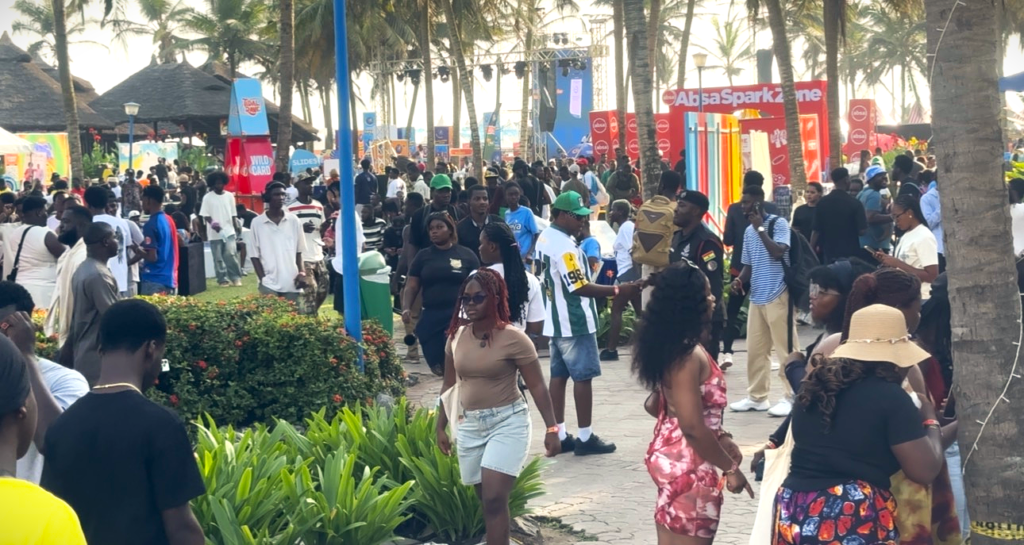
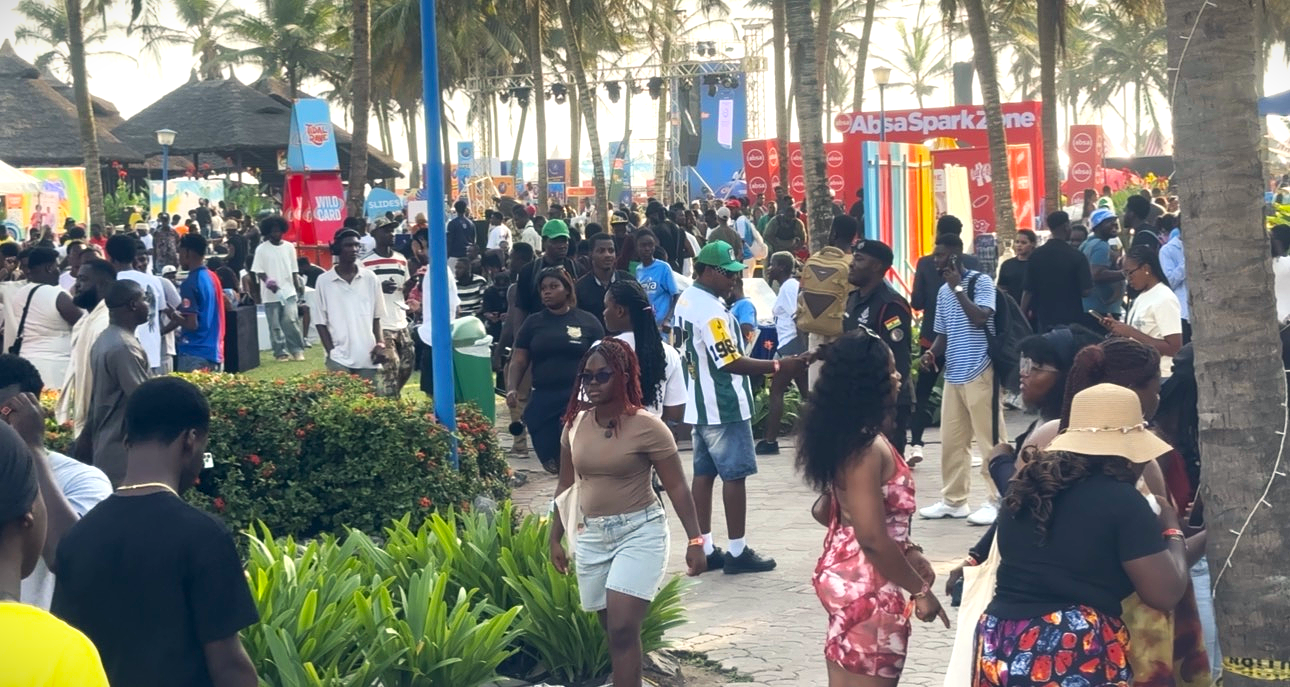
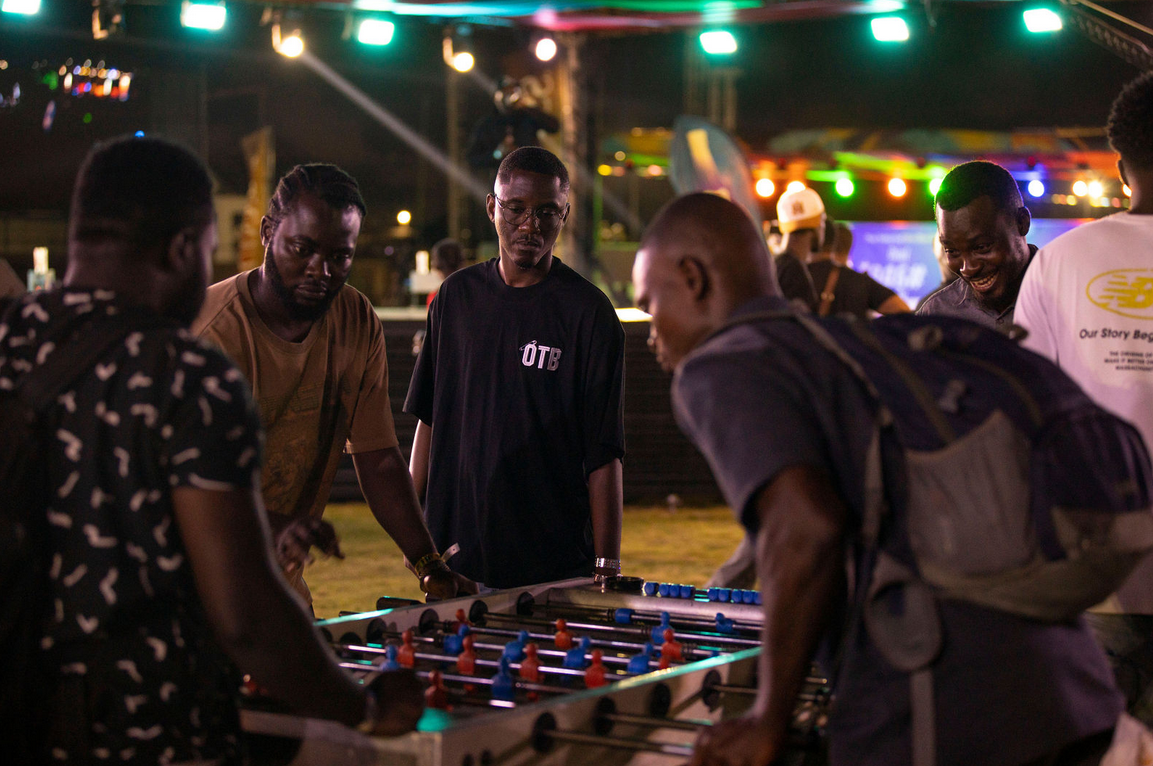
Detty December—Ghana’s annual festival of music, fashion, and celebration—is the country’s cultural crown jewel. Tourists flood in. Events multiply. The creative economy surges.
But Detty December is also a sustainability nightmare. Waste piles up. Carbon footprints balloon. The environmental cost of the celebration is rarely accounted for.
What if that could change?
What if Ghana’s biggest cultural moment became a showcase for sustainable event production, climate-conscious design, and circular economy principles—proving that celebration and responsibility are not enemies?
The Climate x Culture Summit is positioning itself as Africa’s pre-COP cultural platform, designed to ensure that when global leaders gather to negotiate climate policy, Africa’s creative voices are already in motion—not waiting for permission, but leading with imagination.
The Accra Climate Culture Accord: Paper Tiger or Game Changer?
Sceptics will ask: Isn’t the Accord just another piece of paper?
It is a fair question. Africa has no shortage of declarations, protocols, and commitments that gather dust on shelves. But the Summit’s organisers are building accountability into the DNA of the Accord.
The document will be signed by a minimum of 50 organisations and individuals, committing to specific, measurable sustainable production practices. It will be submitted to the UNFCCC and COP31 stakeholders, ensuring that Africa’s creative sector has a formal, visible voice in the global climate agenda for the first time.
It is a bold move. Perhaps even audacious.
But audacity is precisely what the moment demands.
Because if culture is going to save the people—creatively—it cannot do so with vague intentions and empty promises. It must do so with concrete commitments, measurable outcomes, and a relentless refusal to accept the status quo.
The Forest and the Future
As the Achimota Forest regains its protected status, the question of its future remains open. Will it become a neglected preserve, a “protected” space that slowly decays? Or will it become a vibrant cultural and ecological asset—a symbol of what happens when a city chooses its long-term survival over short-term profit?
The Climate x Culture Summit offers a roadmap for the latter.
By connecting climate action with creative expression, it positions Ghana as a laboratory for a new kind of climate leadership—one that speaks to the heart as much as the head.
Because climate action cannot succeed through policy and science alone.
It must also live within culture. Within creativity. Within storytelling. Within the experiences that shape how people feel, think, and act.
The Achimota Forest reversal was a victory for environmentalists. But it is also a test.
A test of whether Ghana’s creative sector will step into the void and show that sustainable futures can be designed, produced, and experienced—not just discussed.
A test of whether Africa’s creative industries will finally claim their place as critical infrastructure for climate communication and public engagement.
A test of whether Accra will become a model for other African cities grappling with the tension between development and preservation.
On October 22, a small group of pioneers will gather at the Google AI Centre in Accra to begin answering those questions.
The forest has been saved. Now the real work begins.
And the whole continent is watching.